🦷 What Is Root Canal Treatment?
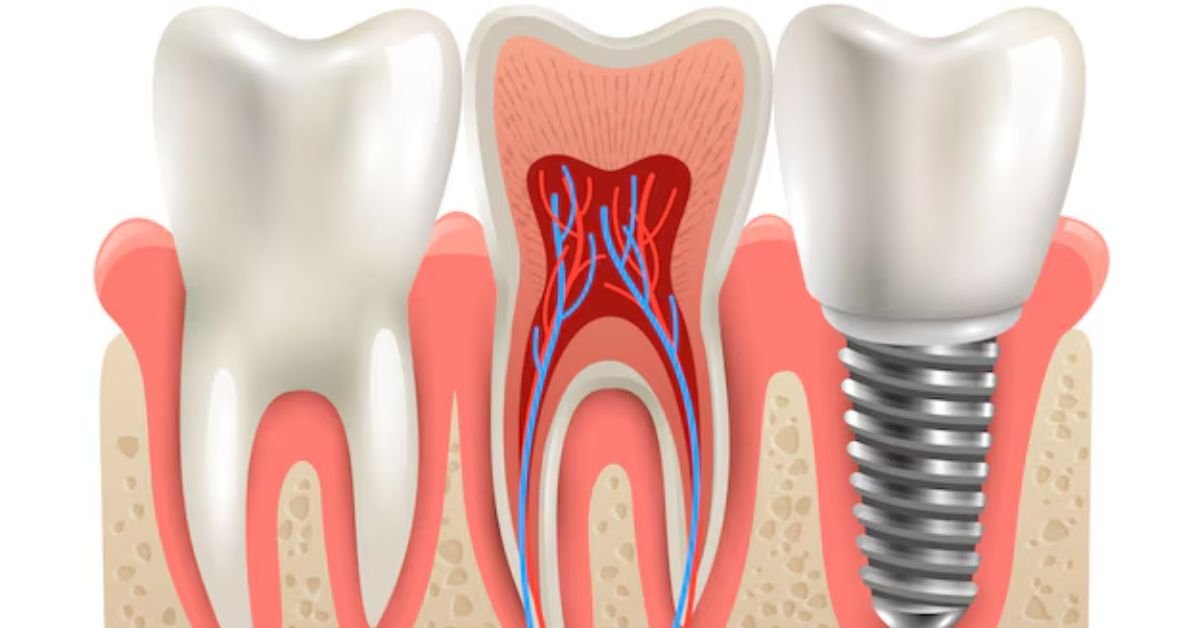
Root canal treatment (also known as endodontic therapy) is a dental procedure used to remove infected or damaged pulp from inside a tooth. The pulp is the soft tissue that contains nerves and blood vessels. When it becomes infected due to decay, cracks, or injury, it can cause severe pain and may lead to tooth loss if untreated.
During the procedure, the dentist:
-
Removes the infected pulp
-
Cleans and disinfects the root canals
-
Fills and seals the space
-
Often places a crown to restore the tooth’s strength and function
⚠️ When Is a Root Canal Necessary?
You may need a root canal if the inner pulp of your tooth is infected or inflamed. Here are the most common signs and situations that may require this treatment:
1. Severe Toothache
Persistent or throbbing pain when chewing or applying pressure is often a sign of deep infection.
2. Prolonged Sensitivity
If your tooth is extremely sensitive to hot or cold temperatures—and the sensitivity lingers—it could mean nerve damage.
3. Swollen or Tender Gums
Swelling around the affected tooth, especially if it’s painful to the touch, may indicate an underlying infection.
4. Darkened or Discolored Tooth
A tooth that appears gray or black could be a sign of internal damage or a dying nerve.
5. Pimple on the Gums
A small bump or boil near the tooth (dental abscess) that oozes pus is often linked to root infection.
6. Cracked or Chipped Tooth
Even a small crack can expose the pulp and lead to infection, especially if left untreated.
7. Deep Decay
If a cavity goes untreated and reaches the pulp, a root canal is often the only way to save the tooth.
🏥 Why Root Canal Is Better Than Extraction
Many people assume pulling the tooth is easier, but preserving your natural tooth has important benefits:
-
Maintains proper bite alignment
-
Preserves natural chewing efficiency
-
Prevents neighboring teeth from shifting
-
Less costly and invasive than implants or bridges
😷 Is the Procedure Painful?
Modern root canal treatment is virtually painless, thanks to advanced techniques and anesthesia. In fact, most patients report that it feels similar to getting a regular filling—but with the added benefit of pain relief from infection.
🧼 Aftercare Tips
Post-treatment care is crucial to ensure success:
-
Follow your dentist’s instructions carefully
-
Take prescribed antibiotics or pain relievers
-
Avoid chewing on the treated tooth until the crown is placed
-
Maintain excellent oral hygiene
-
Don’t skip follow-up appointments
💡 Final Thoughts
Root canal treatment may sound intimidating, but it’s often the best way to relieve pain, remove infection, and save your natural tooth. If you’re experiencing any signs of tooth infection or discomfort, don’t ignore it—early intervention can make all the difference.
Consult your dentist today to discuss whether a root canal is right for you. A healthy, pain-free smile may be just one treatment away.